Pichwai Tree of Life Wallpaper

Pichwai Tree of yas unique Wallpaper

Pichwai Tree of Life Wallpaper

Pichwai Tree of Yas unique Wallpaper

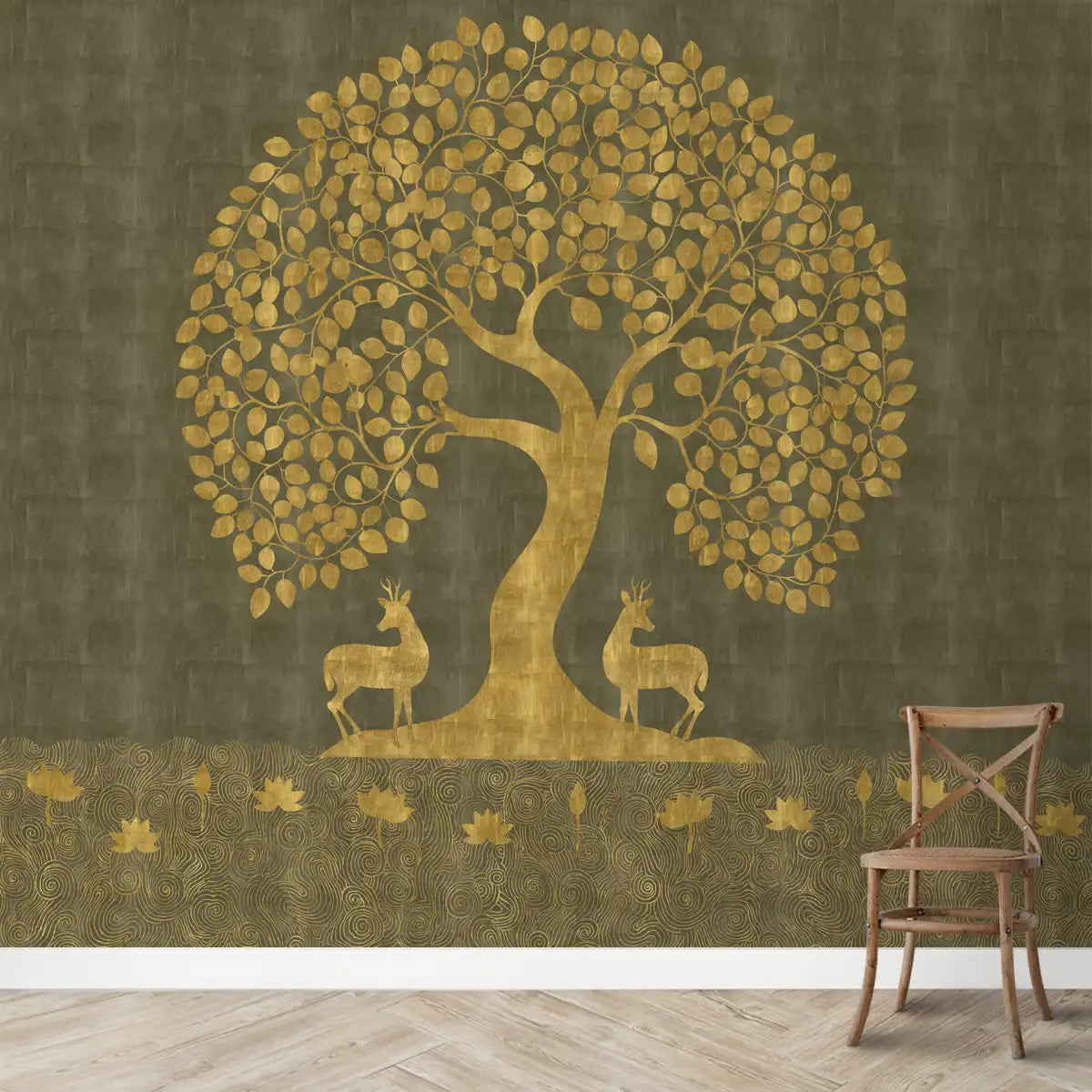
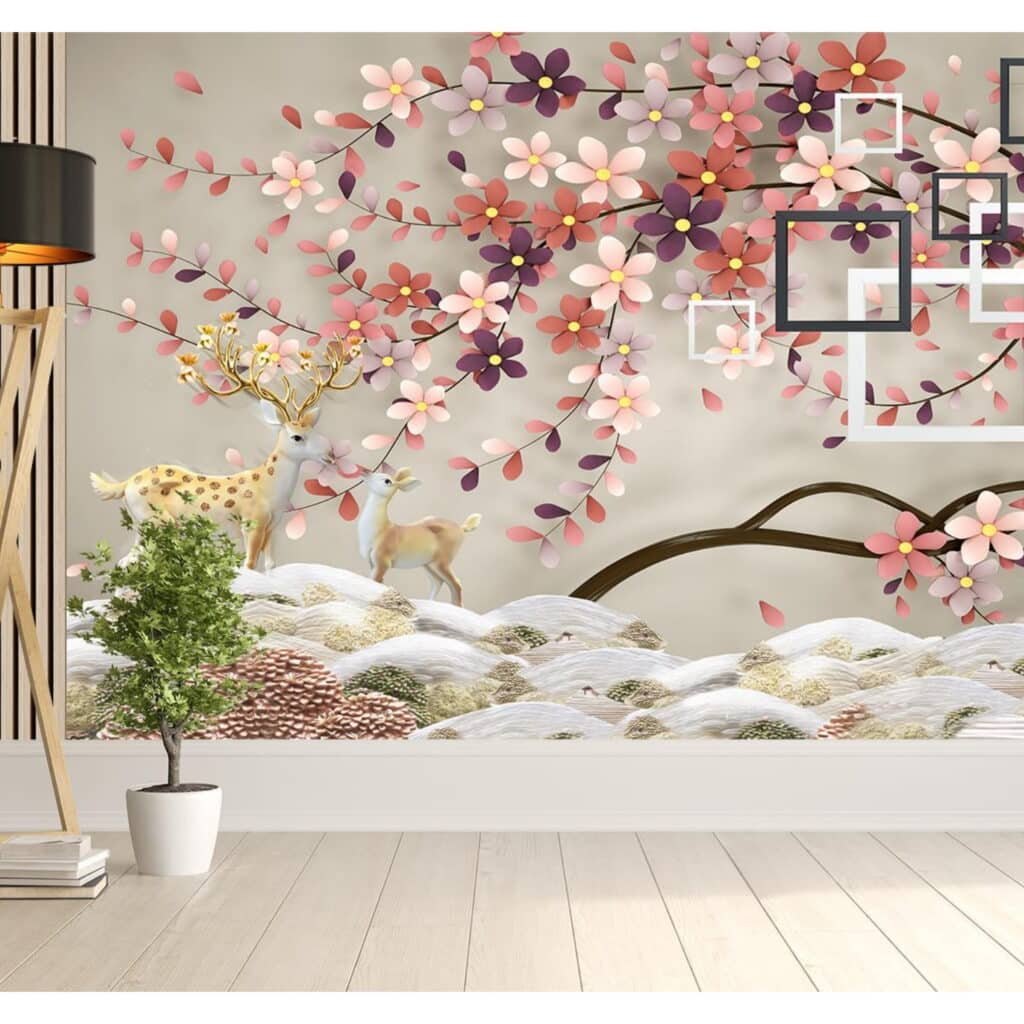
Presenting the “Tree Yas unique wallpaper, a magnificent fusion of class and tradition derived from the historic legacy of Pichwai art. This design revolves around the well-known Tree of Life, a powerful symbol of peace, spiritual development, and interconnectedness against a deep, soothing blue background. The deftly carved golden leaves and flowing branches evoke a sense of awe and connection with nature, perfectly capturing the everlasting essence of Pichwai. The design is further grounded in spiritual depth by the lotus designs, which symbolize elegance and peacefulness, and the serene deer at the base, which adds another layer of symbolism. 

This wallpaper adds character and vitality to the room, making it more than just a pretty piece. Imagine the warm, golden tones gently capturing the light and luring you in for a peaceful, introspective time. This sculpture, which is ideal for living rooms, meditation areas, or any other room where you want calm, skillfully strikes a balance between modern sophistication and deep cultural heritage. Deep blue and gold combine to create a luxurious yet earthy, grounded look that is perfect for people who value art and culture in their home decor. 

The “Tree of Life” wallpaper delivers more than just eye candy, whether your goal is to create a serene and a calm place or add timeless beauty to your room. It gives your room a sense of peacefulness, wisdom, and timeless elegance by transforming it into a place where spirituality, art, and nature come together. 

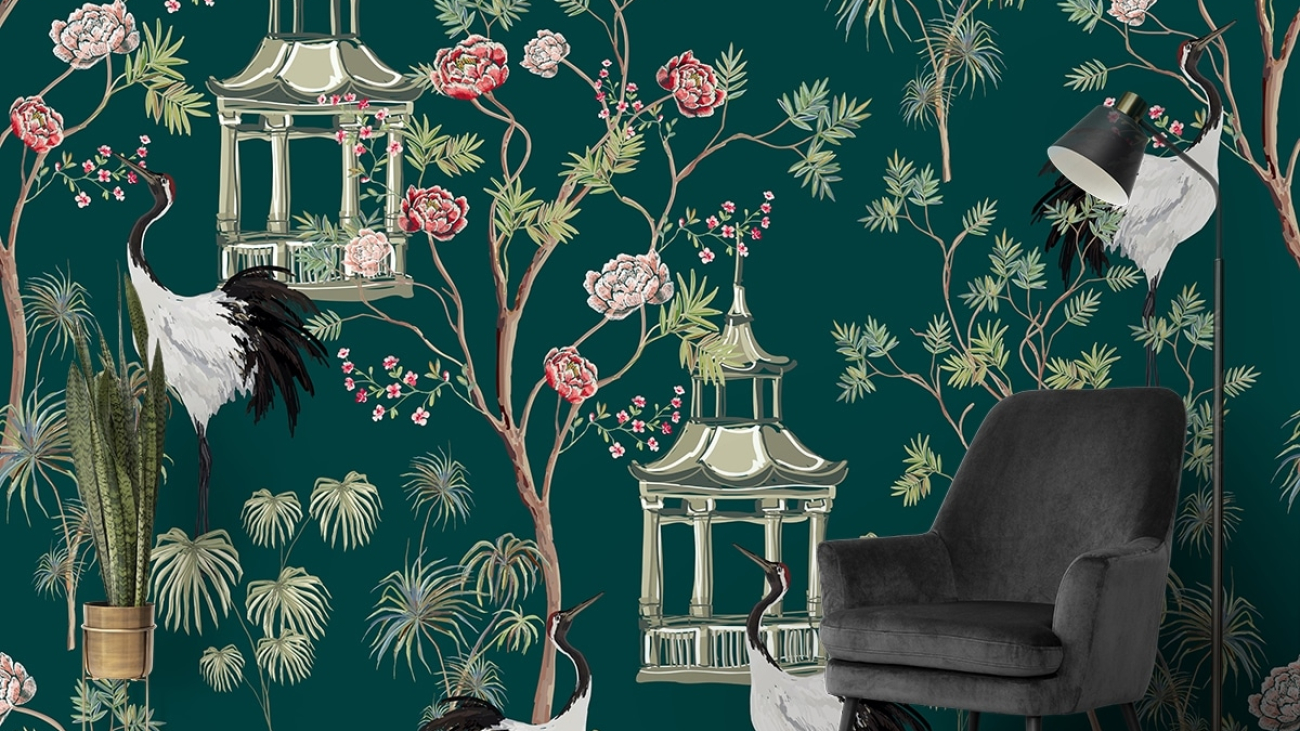
The wallpaper is available in blue and green colors. 

The Maharaja Maharani Canopy Ceiling Wallpaper

FB IMG 1700312336829 1
The Maharaja Maharani Canopy Ceiling Wallpaper 3

The Maharaja Maharani Canopy Ceiling Wallpaper

October 29, 2024

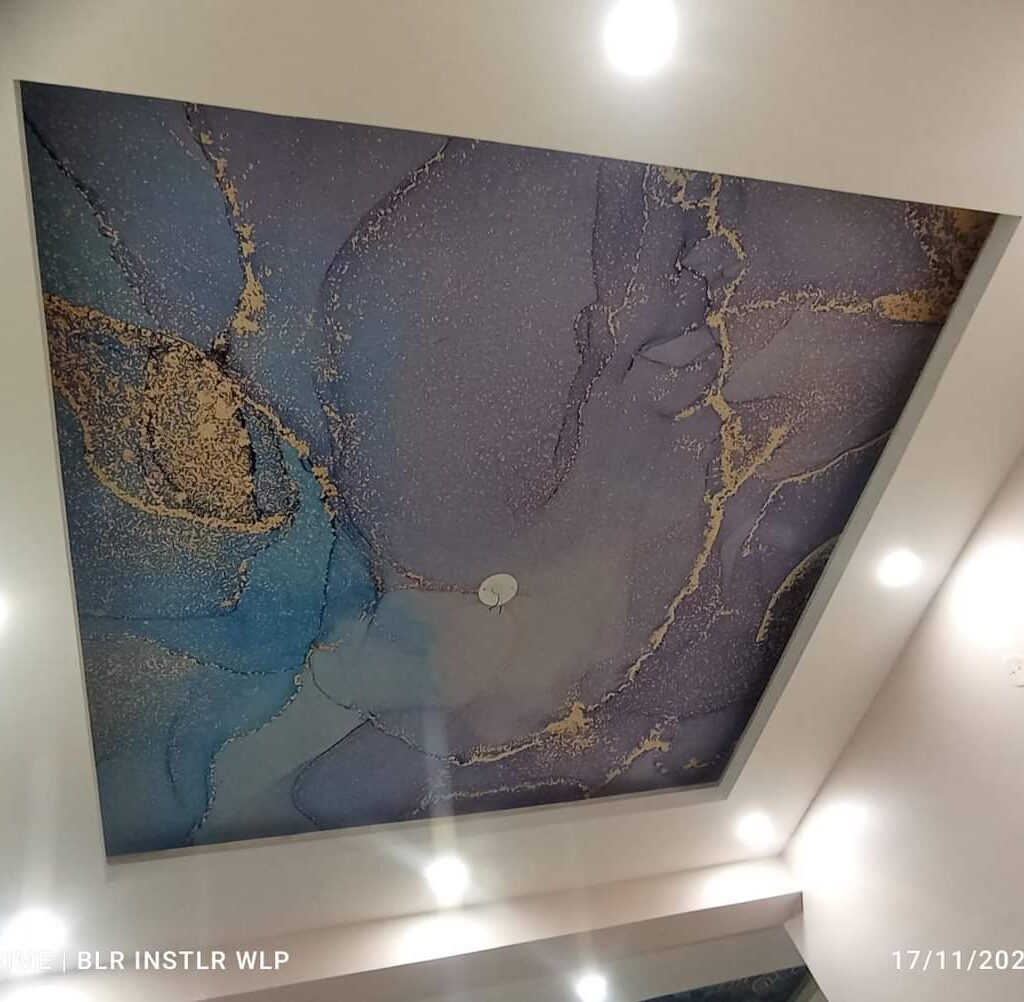
Imagine entering a room that transports you to a world of royal and artistic beauty. A space where the ceilings take you to a more opulent time in the past and the walls whisper tales of grandeur. This is how our Maharaja Maharani Canopy Ceiling Wallpaper can change things. This wallpaper is more than simply an option for décor because of its elaborate patterns and rich cultural legacy; it’s an experience that elevates your home to a regal level. 

Canopies, which are frequently embellished with luxurious fabrics, intricate stitching, and vibrant colors, have long been seen as symbols of wealth and authority. They have added grandeur and elegance to palaces, temples, and royal meetings. We honour this rich cultural tradition and legacy by integrating canopy motifs into our ceiling wallpaper.

The rich canopies of Indian palaces serve as the inspiration for the Maharaja Maharani Canopy wallpaper, which creates a sense of grandeur that is difficult to duplicate. Your ceiling, which is covered in beautiful cloth and ornamented with elaborate patterns that honour the depth of Indian culture, gives you the impression that you are standing beneath a magnificent tent.

The Pichwai painting style, a devotional art form with roots in India’s vivid culture, is at the border of this beautiful wallpaper. Pichwai paintings, which have their roots in Rajasthan, typically feature scenes from Lord Krishna’s life. Rich in color each work tells a tale that appeals to dedication and spirituality. Using bright paints and intricate patterns, the Pichwai style displays the talent and dedication of artists who have perfected this skill over many centuries.

The use of these Pichwai features is flawless in our Maharaja Maharani Canopy wallpaper. The intricate elements and miniatures tell a story that spreads across your ceiling. Little characters going about their daily lives, representations of legendary stories, and elaborate motifs that add layers of meaning and beauty to your space.

Pichwai is unique not only because of its visual value but also because of its spiritual significance. The intricate patterns and bright colors are filled with symbolic meaning, mirroring ideas of devotion, love, and the divine. Every element of the wallpaper is a respect to art, culture, and life. 

The expert craftsmanship used in the development of the Maharaja Maharani Canopy wallpaper is an essential aspect. Every piece is hand-painted with age-old processes that pay respect to the techniques of ancient Indian painters. Because of the attention to detail and commitment to quality, each part of the wallpaper is a one-of-a-kind creation.

Because of the incorporation of Pichwai materials and small art techniques, no two installations will be precisely the same. Your room is genuinely unique because of its personality, which gives your decor an additional depth of royalty and exclusivity.

Selecting the Maharaja Maharani Canopy wallpaper is a way to honor and promote traditional workmanship in a world that frequently promotes mass-produced goods. By choosing this wallpaper, you are not only improving your living area but also helping to preserve time-tested, old art styles.

Every design is a tribute to India’s rich cultural past, and each brushstroke tells a tale. You may share that history with people by putting this wallpaper up in your house, which will start discussions and attract interest in the creativity that went into it.

The adaptability of the Maharaja Maharani Canopy wallpaper is one of its outstanding qualities. Despite having roots in Indian art and culture, its design components work well with both traditional and modern home styles. The richness of more intricate décor can be enhanced by the bright hues and minute details, which can also give minimalist environments depth and personality. Use this ceiling wallpaper paired with other patterned pieces to create an engaging visual experience, or match it with solid-colored walls for a dramatic contrast. It can also act as a room’s focal point, directing attention upward and attracting praise from everybody who enters. Beyond only being aesthetically pleasing, the Maharaja Maharani Canopy wallpaper creates a mood. It brings a feeling of peace and wonder into your room. While the elaborate designs promote awareness and an appreciation of beauty, the bright hues can brighten your spirits.

Conclusion 

More than just a style option, the Maharaja Maharani Canopy Ceiling Wallpaper invites you to enter an era of artistic and regal grandeur. You can turn your room into a place of inspiration and beauty with this wallpaper’s classic elegance, fine craftsmanship, and rich cultural heritage.

In addition to improving your house, you’re honouring the rich customs of Indian culture by embracing the legacy of canopies and the artistry of Pichwai. Therefore, the Maharaja Maharani Canopy wallpaper is the ideal option to make you feel like a king or queen of your own world. 

Upgrade your living area right now and allow the craftsmanship of this ceiling wallpaper to transport you to a different era, culture, and aesthetic. Your ceiling is a canvas ready to convey your tale; it’s more than simply a surface. With the Maharaja Maharani Canopy wallpaper, you may turn it into a masterpiece and experience the regal beauty that surrounds you.

Best Practices for Wallpaper Installation

Best Practices for Wallpaper Installation

Best Practices for Wallpaper Installation

Best Practices for Wallpaper Installation

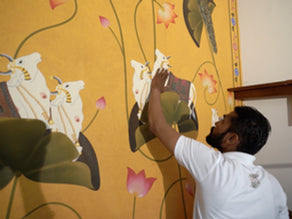
When it comes to wallpaper installation, following best practices is crucial to ensure a seamless and long-lasting finish. Here are some tips and tricks to help you achieve a professional-looking result:

1- Wall should be well prepared with putty and oil primer (1 litre mixed with 300 ml enamel paint) for wallpaper installation. This ensures that wallpaper sticks properly and doesn’t peel off. This has to be done by client.

2- Wall should be free of any seepage or deformities. Wallpaper will not stick well or will peel off if walls are not proper.Before applying wallpaper, it’s important to ensure that the surface is clean, dry, and smooth. Remove any old wallpaper, loose paint, or debris and fill any cracks or holes with spackle or joint compound. Sand the surface to create a smooth and even base.

3- Ladder should be provided at the site for installation. For ceiling and double height, scaffolding should be provided by client.

4- Site should be clear with no dirt or any other work happening in the same room. No furniture should be kept on the wall where wallpaper will be pasted. Installers wont be able to shift furniture, you may need to get it done prior to installation.

5- Installers normally charge additional site visit charges in case installation is not done on the scheduled day if site is not ready and it needs to be rescheduled.

Don’t forget to refer to the installation guidelines provided on the Lifencolors website [3]. With the right tools and techniques, wallpaper installation can be a fun and rewarding DIY project that can transform the look of your home.

——-

Please note wall and site preparation are not includes in scope of work for installation. Wall and site preparation needs to be done by client prior to installation (YAS UNIQUE WALLPAPER scope of work does not include installation or wall preparation).

Although we can provide contact information for such installers in major cities in India, please note that they are not affiliated with our team, and we are not responsible for any issues related to wall preparation or installation.

The House of Melody- Raja Ravi Varma Painting Style Wallpaper for Wall

Raja Ravi Varma: The Artist Who Brought Mythology to Life

The House of Melody- Raja Ravi Varma Painting Style Wallpaper for Wall

Raja Ravi Varma: The Artist Who Brought Mythology to Life

Raja Ravi Varma: The Visionary Artist Who Bridged Tradition with Modernity

Born in the royal family of Travancore (now in Kerala) in 1848, Raja Ravi Varma is a legendary artist praised as the best Indian artist. He is a true talent artist because of his ability to go beyond the boundaries and blend European craft techniques with Indian classical motifs. His work has inspired global artists and popular culture. Raja Ravi Varma created Indian paintings in a way that is still legendary and influences the field, Thanks to his ability to blend Western and traditional Indian aesthetics. 

The Combination of Innovation and Tradition

Raja Ravi Varma’s skills combine the influence of European art trends and India’s rich art history which is unique to him. During the colonial period in india, the British introduced Western creative styles that were unfamiliar to the subcontinent. Raja Ravi Varma’s skills were very powerful in integrating western techniques, especially oil painting and image perspective, into his paintings of Indian mythology, but many Indian artists were happy to stick to traditional Indian culture 

His paintings are famous for their realistic look, anatomical accuracy, and emotional depth. the paintings depict gods, goddesses, and mythological figures from Indian epics such as the Mahabharata and Ramayana. His paintings were figures that were unheard the figures had a three-dimensional appearance thanks to his skill use of European-style luminescence and the contrast between light and shade, but he never took a step back from the cultural basis of his subjects 

Reviving Indian Mythology through Art

Bringing mythological characters to life that one individual could relate to was marked as Raja Ravi Varma’s huge achievement. The mythological figures portrayed in ancient Indian art were viewed as remote and unearthly before Varma, and the art was only limited to temples and royal courts that changed after Raja Ravi Varma’s art. His depictions of gods like Lakshmi, Saraswati, Krishna, Rama, and Sita were infused with human feelings, making them more relatable and real. 

Consider his well-known depiction of Shakuntala. In this piece, he not only portrays the well-known mythological figure but also catches a powerful intimate moment: Shakuntala, who has been cursed by the sage Durvasa, waits for her husband, King Dushyanta, to return. Her character had depth and humanity because of the emotion she carries in her eyes, the beautiful flow of her saree, and the gentle sunlight on her face. It was unheard of for Varma to influence emotion in a mythological character.

Similar to this, his depiction of Damayanti in Damayanti and the Swan as a princess longing for her husband Nala is looking at and moving to see. These works offered audiences a new way of connecting with their cultural and traditional heritage—through the universal themes of love, loss, and longing, depicted with a freshness that made them feel timeless and luxurious. 

His Mastery of Oil Painting

in the 19th century, oil painting was relatively new in India raja ravi verma was an early adopter of oil painting in Indian art. whereas it had been practised for centuries in Europe. Raja Ravi Varma became a proficient oil painter because of his strong interest in Western techniques and easily could do  realism, depth, and texture using oils that were not possible with traditional Indian miniature painting

His art demonstrated a command of Western techniques that were essential for producing lifelike figures, including perspective, light and shadow, and the precise depiction of human anatomy. However, he maintained a very Indian sensibility in both the emotional tone of his writings and the subjects he chose. The result was a body of work that felt both classical and modern, traditional and progressive.

Women’s Iconography: Dignity and Grace

Women were frequently shown as idealized, generic characters but Raja Ravi Varma’s portrayal of Indian women is among his most notable works. He gave women subjects a feeling of power and personality by providing them with dignity, grace, and emotional depth.

Goddesses like Saraswati, the goddess of education, and Lakshmi, the goddess of riches, are commonly portrayed by Varma. In addition to their strength and wisdom, these figures have a very feminine and human aspect. A striking illustration of this is the Spring being Vasantika, created by Varma. Her inner energy and emotional resonance are evident, and her attractiveness goes beyond appearances.

The way female characters were shown took a huge change by the artist’s depictions of Indian mythological women, whether the paces show divine love or grief.  These ladies represented intelligence, power, and emotion in addition to being calmly beautiful. Women who reflex strong emotions and values of beauty, wisdom, and power that characterized the cultural imagination, became an important part of the story through his work 

An Enduring Legacy

Raja Ravi Varma being a technical master his art also renowned for its emotional resonance and cultural relevance. He was called as a master as his art stands out because of his ability to revive old mythology and combine Western methods with Indian motifs. He was famous for his way of treating women, his recognizable representations towards gods and goddesses, and his dedication to making art available to the public.

His paintings are still an inspiration to designers, artists, and filmmakers today. His work influence can still be seen in everything from modern art to Bollywood posters. His creations are still unique and stand out and build a bridge between cultural, geographic, and historical divides and unite people with the eternal, the heroic, and the divine

Raja Ravi Varma is a legend and still stands out as a genius artist vision which was far ahead of time. A true master of his work which is beyond comparison in a world flooding with new trends and shifting tastes some things remain timeless as Raja Ravi Varma’s  art. 

The House of Melody- Raja Ravi Varma Painting Style Room Wallpaper

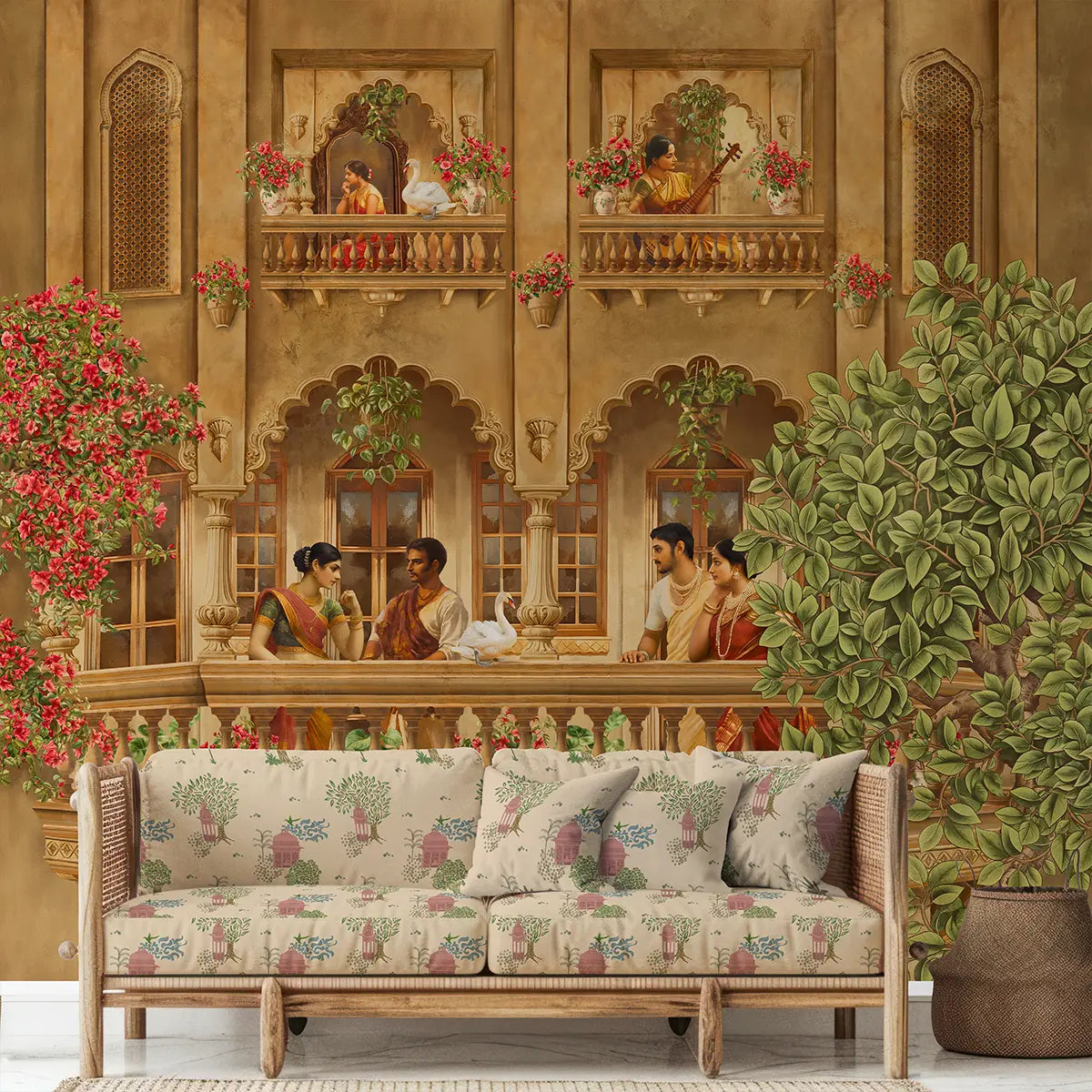
Just as Raja Ravi Varma infused traditional Indian art with a sense of realism and emotional depth, The House of Melody wallpaper design by Life n Colors is inspired by the timeless beauty and intricate detail that define Varma’s works, this wallpaper brings together delicate patterns and soft hues that capture the essence of classical Indian art with a modern touch.

Like Varma’s paintings that made mythology accessible and relatable, The House of Melody invites you to transform your space with an artwork that resonates deeply, celebrating both tradition and innovation in a way that is fresh, elegant, and timeless.

2
Glimpse-of-Serenity-Banana-Leaves-Shades-of-Peace-Wallpaper-Mural-M5

Entering into a spectrum of the wallpaper world filled with numerous aesthetics can be overwhelming. It’s common to face multiple questions regarding colour, designs, motifs or hues.

Entering into a spectrum of the wallpaper world filled with numerous aesthetics can be overwhelming. It’s common to face multiple questions regarding colour, designs, motifs or hues.

One of the main queries that come up while choosing a design is “Which colour of design can work well with my decor?”.

When you sneak into the colour palette, gold is a classic colour that has held its enchanting magic for centuries. Besides its timeless allure, its exceptional collaboration with multiple colours has seized customers’ hearts.

In this blog, we’ll check out some of the best colour combinations with the regal gold colour.

There’s a popular saying that goes “All that glitters isn’t gold” and we couldn’t agree more because the shine that gold delivers is incomparable! The only thing that can make gold even more outstanding is complementing and contrasting it with the right shades.

Below are some of the colours that must be mixed and matched with gold to add life to your walls:

1. Pink and Gold:

The colour combination of gold and pink is a design that always infuses a touch of opulence and sophistication. It sets a dainty and charming vibe because of its ethereal blend of colours.

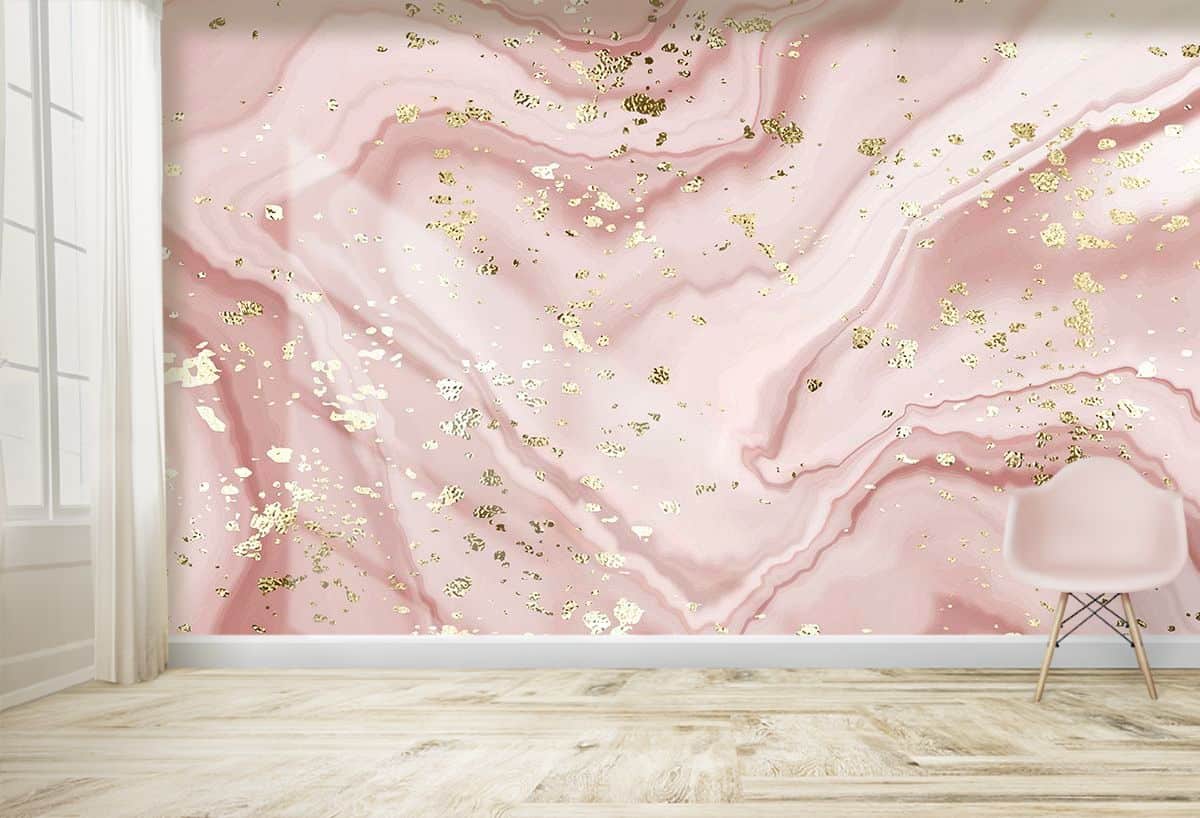
If you’re fond of subtle yet stunning colour combinations, gold with pink might be the one for your beloved home. One of its best examples is pink and gold marble wallpaper, which is a complete package of elegance.

GOLDEN HOUR 2 4

A Wallpaper with Birds Trees and Flowers for Wall

The Ultimate Guide to Choosing the Perfect Wallpaper for Your Home

Introduction

When it comes to home decor, wallpaper is a powerful tool that allows you to transform a space, adding depth, texture, color, and personality. Unlike paint, wallpaper offers a wide variety of patterns, textures, and finishes, enabling you to truly customize your interiors. Whether you’re aiming for a bold statement wall or a subtle backdrop, the options are limitless.

However, with such a vast array of designs available, choosing the perfect wallpaper can feel overwhelming. You might wonder: Which type of wallpaper is best for my living room? What patterns will make a small room look bigger? How do I match wallpaper to my furniture and decor?

In this guide, we’ll break down everything you need to know to choose the right wallpaper for every room in your home. From understanding wallpaper materials to exploring current trends and how to apply wallpaper in unique ways, this comprehensive guide will ensure your next wallpaper project is a success.


1. Understanding the Purpose of Each Room

Before diving into patterns, colors, and textures, it’s crucial to consider the purpose of the room. Each space in your home serves a unique function, and the wallpaper you choose should enhance that.

Living Room: The Heart of the Home

The living room is often the most social space in the home, a place where family and friends gather. As such, it’s important to select wallpaper that sets a welcoming tone. If your living room gets a lot of natural light, you can experiment with bold colors and large patterns, as the light will balance out the intensity of the design.

Popular Choices:

  • Textured wallpaper: Adds warmth and sophistication, perfect for cozy gatherings.
  • Botanical prints: Reflect a modern yet timeless design, creating a sense of connection with nature.
  • Geometric patterns: If your decor leans toward modern or minimalist, geometric patterns can add a touch of contemporary elegance without overwhelming the space.

Bedroom: A Personal Retreat

Your bedroom should be a place of relaxation, offering a sanctuary from the hustle and bustle of daily life. Soft, calming tones work best here, as bold patterns can sometimes feel too stimulating for a restful environment.

Popular Choices:

  • Pastel florals: Light, soft floral prints add an element of romance and tranquility.
  • Textured neutrals: For a serene and minimalist look, textured wallpaper in neutral tones provides depth without being overpowering.
  • Subtle metallics: Metallic finishes on wallpapers can reflect light softly, creating a luxurious, peaceful atmosphere.

Kitchen and Dining Room: Functional and Stylish

The kitchen and dining areas are often functional spaces, but that doesn’t mean you have to sacrifice style. You can use wallpaper to create a cheerful and inviting space that reflects your personality.

Popular Choices:

  • Vinyl wallpaper: Easy to clean and durable, perfect for high-traffic areas and spaces prone to spills.
  • Bold, bright patterns: A playful pattern in a kitchen or dining room can create a lively, welcoming atmosphere, making family meals more enjoyable.
  • Fruit or culinary-themed prints: These types of wallpapers are fun and thematic, enhancing the kitchen’s overall purpose.

Bathroom: Spa-Like and Practical

Bathrooms are smaller, but that doesn’t mean they can’t benefit from a carefully chosen wallpaper. Humidity and moisture are factors to consider, so choose materials that are resistant to these elements.

Popular Choices:

  • Vinyl or moisture-resistant wallpaper: These are ideal for bathrooms because they can withstand the humidity.
  • Natural textures: Grasscloth or bamboo-inspired wallpapers can transform your bathroom into a spa-like retreat.
  • Bold designs in small spaces: Don’t shy away from using striking patterns in smaller bathrooms; the compact space can handle a bold wallpaper without feeling overwhelming.

2. Choosing Colors That Complement Your Decor

Color is one of the most critical factors when choosing wallpaper. It sets the mood and can dramatically influence the feel of a room. When selecting wallpaper, consider the existing color palette of your furniture, flooring, and decor.

Neutral Colors: The Safe Bet

Neutral colors—like beige, gray, and off-white—are versatile and work well in most spaces. They allow you to play with textures and patterns without overpowering the room. Neutral wallpapers are especially popular in minimalist and contemporary designs.

Use Cases:

  • Smaller rooms: Neutral colors can make a small room appear more spacious.
  • Accent walls: If you want to highlight one wall without making the room feel too busy, a neutral-toned wallpaper with a subtle texture can create a focal point.

Bold and Bright: Making a Statement

If you’re looking to make a bold statement, vibrant colors like deep blues, emerald greens, and even rich purples can instantly draw attention to your walls. These colors work best in larger rooms or spaces with ample natural light, where they won’t feel too overwhelming.

Use Cases:

  • Feature walls: Create a striking accent wall in your living room or bedroom with a bold, colorful wallpaper.
  • Bright, social spaces: Kitchens and dining rooms benefit from bright, cheerful colors, adding energy to the space.

Monochrome and Minimalist: Sleek and Modern

For those who prefer a sleek, modern look, monochrome palettes are a fantastic choice. Black and white wallpaper, or varying shades of a single color, can bring sophistication and balance to a room.

Use Cases:

  • Modern living rooms: Black and white patterns add contrast and drama to a contemporary design.
  • Monochrome nurseries: Soft greys and muted tones are increasingly popular for gender-neutral nurseries.

Nature-Inspired Palettes: Calm and Serene

Nature-inspired colors like sage green, sky blue, and earthy browns help create a calming atmosphere. These colors work well in spaces meant for relaxation, such as bedrooms, bathrooms, and even living rooms.

Use Cases:

  • Bedrooms: Soft green or blue wallpaper can create a soothing environment conducive to rest.
  • Bathrooms: Earth tones paired with textured wallpaper (like bamboo or stone) can give your bathroom a spa-like feel.

3. Types of Wallpaper Materials

Choosing the right wallpaper material is just as important as selecting the design. Different materials have different properties, and knowing which to use for each space will ensure your wallpaper lasts longer and looks great.

Vinyl Wallpaper: Durable and Easy to Clean

Vinyl wallpaper is one of the most popular choices due to its durability and ease of maintenance. It’s moisture-resistant, making it an ideal choice for bathrooms, kitchens, and high-traffic areas.

Pros:

  • Easy to clean with a damp cloth
  • Highly durable and long-lasting
  • Resistant to moisture and humidity

Cons:

  • Limited in terms of texture
  • May not offer the high-end look of other materials

Textured Wallpaper: Adding Depth

Textured wallpaper offers a tactile element that can add interest and depth to your walls. This type of wallpaper is often used to cover imperfections in walls or to create a more luxurious feel.

Pros:

  • Adds dimension and richness to a room
  • Helps hide imperfections on the wall
  • Available in a variety of materials like grasscloth, bamboo, and silk

Cons:

  • Can be more challenging to install
  • Difficult to clean and maintain

Fabric-Backed Wallpaper: Luxurious and Elegant

Fabric-backed wallpaper, made from materials like linen or silk, offers a luxurious, high-end look. It’s a popular choice for bedrooms, dining rooms, and other spaces where a touch of elegance is desired.

Pros:

  • Elegant and sophisticated appearance
  • Adds a unique texture to the walls

Cons:

  • Requires professional installation
  • More expensive and delicate

Paper Wallpaper: Traditional and Versatile

Traditional paper wallpaper comes in a wide variety of prints and patterns. It’s less durable than vinyl but offers a classic look that works well in low-traffic areas like bedrooms and living rooms.

Pros:

  • Wide variety of patterns and designs
  • Eco-friendly options available

Cons:

  • Not as durable as other materials
  • Susceptible to wear and tear in humid areas

4. Patterns and Textures: Making a Design Statement

Once you’ve settled on the right material, it’s time to think about the design. Patterns and textures can completely change the way a room looks and feels. Whether you want to create a bold statement or a subtle backdrop, understanding how patterns work with your space is key.

Bold Patterns: Statement Walls

Bold, large-scale patterns—like florals, geometrics, or abstract designs—are ideal for creating a feature wall or focal point in your room. These designs can add drama and interest, but it’s essential to balance them with neutral colors elsewhere in the room to avoid overwhelming the space.

Best for: Feature walls in living rooms, dining rooms, and bedrooms.

Subtle Patterns: Understated Elegance

For a more subtle look, consider wallpaper with soft, delicate patterns. These designs work well in smaller rooms, as they add interest without making the space feel cluttered. Stripes, small florals, and subtle textures can add sophistication to a room without stealing the spotlight.

Best for: Bedrooms, hallways, and smaller living spaces.

Textures: Adding Depth and Dimension

Textured wallpapers—such as grasscloth, silk, or embossed patterns—add a tactile element to your walls. These are great for adding depth and dimension to a room, particularly in spaces where you want to create a sense of warmth and luxury.

Best for: Living rooms, dining rooms, and bedrooms where you want to create a high-end feel.


Conclusion

Choosing the perfect wallpaper for your home involves more than simply picking a pretty pattern. You need to consider the function of the room, the colors and textures that will complement your decor, and the durability of the wallpaper material. Whether you’re looking to create a bold statement wall or add a touch of elegance with subtle textures, this guide will help you make an informed decision that enhances your home’s overall aesthetic.

Remember, the right wallpaper can transform any room, making it feel more inviting, stylish, and unique. Browse our wide selection of wallpapers and start turning your design vision into reality today!



wallpaper

Wallpaper Trends for 2024: What’s Hot Right Now

As we move into 2024, wallpaper is taking center stage in home decor, with trends that reflect a growing appreciation for bold designs, sustainability, and innovative textures. Wallpaper is no longer just a backdrop; it’s a statement piece that can transform a room, add character, and reflect the personality of the homeowner. In this blog, we’ll explore the hottest wallpaper trends for 2024, from nature-inspired prints to minimalist textures, and help you find the perfect wallpaper to elevate your space.


1. Bold Florals: Bringing Nature Indoors

yas unique Creation Vol 1 page 0029 5

One of the biggest trends for 2024 is bold, oversized floral patterns. These designs go beyond the delicate floral prints of the past and embrace large, vibrant blooms that command attention. Florals are no longer confined to soft pastels; instead, they are infused with deep, rich colors like emerald green, burgundy, and mustard yellow.

Why It’s Trending:

  • Bold florals bring a sense of drama and luxury to any room, making them perfect for feature walls.
  • The trend is a response to the growing desire to connect with nature, bringing elements of the outdoors into the home.

Where to Use It:

  • Living rooms: As a statement wall behind a sofa or fireplace.
  • Bedrooms: A headboard wall covered in bold florals creates a cozy yet sophisticated vibe.

2. Textured Wallpapers: Tactile Luxury

Another major trend for 2024 is the rise of textured wallpapers. These designs offer more than just a visual appeal—they provide a tactile experience, with wallpapers that you can feel. Popular textures include grasscloth, silk, and linen, as well as embossed patterns that add depth and dimension to the walls.

Why It’s Trending:

  • Textured wallpapers add warmth and richness to a room, making them perfect for creating a cozy, inviting atmosphere.
  • Homeowners are looking for designs that go beyond flat, printed patterns, opting for something that engages both sight and touch.

Where to Use It:

  • Dining rooms: Textured wallpaper in a formal dining space adds a touch of luxury.
  • Home offices: A subtle texture can bring sophistication to a workspace without being too distracting.

3. Retro Geometrics: A Nod to the Past

Retro-inspired geometric patterns are making a huge comeback in 2024, with a modern twist. Think bold lines, circles, and angles in a variety of colors, from muted pastels to striking jewel tones. These patterns draw inspiration from the 1960s and 1970s but have been updated to fit today’s contemporary spaces.

Why It’s Trending:

  • Geometric patterns add energy and movement to a room, making them a perfect choice for spaces that need a bit of visual excitement.
  • They offer a blend of nostalgia and modernity, appealing to homeowners who love vintage styles but want a fresh look.

Where to Use It:

  • Bathrooms: Geometric patterns on bathroom walls or as a backsplash create a dynamic, stylish atmosphere.
  • Hallways: These often-overlooked spaces become much more interesting with a geometric wallpaper that adds a pop of personality.

4. Sustainable Wallpapers: Eco-Friendly Design

As sustainability becomes a top priority for homeowners, eco-friendly wallpapers are on the rise in 2024. These wallpapers are made from natural, renewable materials like bamboo, cork, and recycled paper. Additionally, many manufacturers are moving toward using non-toxic inks and dyes, making wallpapering your home a greener choice.

Why It’s Trending:

  • Consumers are increasingly conscious of their environmental impact, and sustainable wallpapers align with this shift in mindset.
  • Eco-friendly wallpapers often feature natural textures and patterns, which are also trending as people seek to bring more organic elements into their homes.

Where to Use It:

  • Bedrooms: Natural fibers like bamboo or cork create a serene, eco-conscious retreat.
  • Living rooms: Sustainable wallpapers can be the perfect choice for creating a natural, calming environment in your main gathering space.

5. Maximalist Designs: More is More

The maximalism trend continues to dominate in 2024, especially in the world of wallpaper. Maximalism is all about embracing bold patterns, bright colors, and layering multiple design elements to create a rich, vibrant look. Wallpaper plays a key role in this trend, with intricate, detailed patterns ranging from exotic animal prints to intricate, abstract art.

Why It’s Trending:

  • Maximalism allows for more personal expression, letting homeowners create spaces that are uniquely theirs.
  • It offers a counterbalance to years of minimalist design, allowing for creativity and individuality.

Where to Use It:

  • Living rooms: A maximalist wallpaper can serve as the focal point in a vibrant, eclectic space.
  • Bedrooms: Create an opulent, dramatic atmosphere with bold wallpaper that pairs well with rich fabrics and layered textures.

6. Monochromatic Minimalism: Subtle Sophistication

While maximalism thrives, the opposite end of the spectrum—monochromatic minimalism—is also having a moment. Monochrome wallpapers, typically in shades of white, gray, or black, focus on subtle textures or fine details rather than bold patterns. These wallpapers are perfect for creating a calm, serene space.

Why It’s Trending:

  • Monochrome designs provide a sense of balance and tranquility, ideal for those who want a minimalist, zen-like environment.
  • This trend aligns with the larger movement toward creating homes that are uncluttered and peaceful.

Where to Use It:

  • Bedrooms: Monochrome wallpaper with a subtle texture can create a restful, calm atmosphere.
  • Bathrooms: Simple, clean designs help create a spa-like retreat.

7. Metallic Accents: Shimmer and Shine

In 2024, metallic finishes are being incorporated into wallpaper designs for a touch of luxury and glamour. These wallpapers feature metallic accents—whether it’s gold, silver, or copper—woven into intricate patterns or used as a subtle sheen over neutral tones. The result is a sophisticated, high-end look that can elevate any space.

Why It’s Trending:

  • Metallic accents add an element of opulence and elegance to a room.
  • They catch the light beautifully, creating a dynamic look that changes throughout the day.

Where to Use It:

  • Dining rooms: Metallic wallpapers are perfect for adding a touch of glam to a formal dining area.
  • Entryways: A metallic feature wall can create a striking first impression when guests enter your home.

Conclusion

The wallpaper trends of 2024 offer something for everyone, whether you prefer the bold and dramatic or the subtle and understated. From oversized florals to retro geometrics, and from sustainable materials to luxurious metallics, there are endless possibilities to transform your home with wallpaper.

Whether you’re looking to create a bold statement wall or add a touch of texture to a calming bedroom, the latest trends provide plenty of inspiration. As wallpaper continues to evolve, it becomes an essential design tool that can bring your home to life in unique and exciting ways.

Ready to explore the latest trends and find the perfect wallpaper for your home? Check out our collection and start transforming your space today!

3d created design 3 06 6
matlic degine wallpaper

5 Common Wallpaper Mistakes and How to Avoid Them

Wallpaper can instantly elevate the look of any room, adding color, texture, and personality. However, it’s not without its challenges, and without proper care and attention, mistakes during the wallpapering process can lead to disappointing results. Whether you’re an experienced DIY-er or a beginner, understanding the most common wallpaper mistakes will save you time, money, and frustration. In this blog, we’ll go over the top five wallpapering mistakes and provide expert tips on how to avoid them.


1. Choosing the Wrong Wallpaper for Your Space

One of the most common mistakes people make is choosing the wrong type of wallpaper for a particular room. Different rooms in your home have different environments, and each requires a specific kind of wallpaper. For example, a delicate paper-based wallpaper that looks beautiful in your living room may not hold up well in a high-moisture area like your kitchen or bathroom.

How to Avoid This Mistake:

  • Know your wallpaper types: Wallpapers come in different materials, each suited for specific environments. Vinyl wallpaper, for example, is moisture-resistant and easy to clean, making it ideal for kitchens and bathrooms. On the other hand, grasscloth wallpaper offers texture and elegance, but it’s not as durable in high-traffic areas or humid spaces.
  • Consider room functionality: Think about how the room is used. High-traffic areas like hallways may benefit from durable, washable wallpapers, while bedrooms may be better suited for softer, fabric-based options that create a cozy atmosphere.

2. Poor Surface Preparation

Failing to properly prepare your walls before installing wallpaper is another common mistake that can lead to a variety of issues, from poor adhesion to visible imperfections. If you apply wallpaper to walls that are dirty, uneven, or have remnants of old wallpaper, the new wallpaper won’t adhere correctly and may start peeling or bubbling over time.

How to Avoid This Mistake:

  • Clean and smooth the walls: Before applying wallpaper, make sure the walls are clean and free of dust, dirt, and old adhesive. Use a mild detergent solution to clean the surface and allow it to dry completely.
  • Repair any imperfections: Fill in cracks, holes, or dents in the wall with spackle or joint compound, and sand the surface until smooth. Even small imperfections can cause the wallpaper to bubble or not adhere properly.
  • Prime the walls: Applying a wallpaper primer creates a uniform surface and helps the wallpaper adhere better. It also makes removing the wallpaper easier in the future.

3. Not Measuring Properly

One of the most frustrating mistakes is miscalculating the amount of wallpaper needed. Ordering too little wallpaper can delay your project, while ordering too much can waste money. Failing to measure correctly can also lead to uneven patterns or poorly aligned seams, which can ruin the overall look of your wallpaper installation.

How to Avoid This Mistake:

  • Measure twice, cut once: Carefully measure the height and width of each wall, taking into account windows, doors, and other features that may affect the amount of wallpaper needed.
  • Account for pattern repeat: Many wallpapers have patterns that repeat at regular intervals. When measuring, be sure to account for the pattern repeat, as it will affect how much wallpaper you need to purchase. This is especially important for large-scale patterns, where matching the design at the seams is crucial.
  • Order extra: It’s always a good idea to order a little extra wallpaper (about 10-15% more than you think you’ll need). This ensures you have enough for any mistakes or repairs and that you won’t have to scramble to match a specific wallpaper batch.

4. Ignoring the Importance of Seams

Wallpaper seams can be tricky. If they’re not handled correctly, they can become visible, peel away, or misalign, ruining the overall effect of your wallpaper. One common mistake is overlapping seams to try to hide them, which only makes the problem worse. Poorly aligned seams are especially noticeable on patterned wallpapers, where the design needs to flow seamlessly across the wall.

How to Avoid This Mistake:

  • Use the “butt join” method: When applying wallpaper, the edges of each strip should meet without overlapping. This is known as the “butt join” method, and it ensures a smooth, invisible seam.
  • Align patterns carefully: For wallpapers with a repeating pattern, take extra care to align the design at the seams. Start hanging your wallpaper from a straight vertical line (use a plumb line or level) and ensure that the pattern matches from one strip to the next.
  • Smooth the seams: After hanging each strip, use a wallpaper brush or smoother to press the seams gently but firmly into place, removing any air bubbles and ensuring good adhesion.

5. Overwhelming Small Spaces with Large, Bold Patterns

While bold patterns can create a dramatic and exciting look, using them in small spaces can sometimes feel overwhelming or claustrophobic. In smaller rooms or spaces with low ceilings, large-scale patterns may dominate the room, making it feel cramped or cluttered. This doesn’t mean you have to avoid bold designs altogether, but it’s important to use them thoughtfully.

How to Avoid This Mistake:

  • Consider the scale of the pattern: In smaller rooms, opt for wallpaper designs with smaller, more delicate patterns. These will add interest to the space without overpowering it. If you do want to use a bold design, consider limiting it to one accent wall, rather than covering all four walls.
  • Use vertical patterns to enhance height: Vertical stripes or patterns can help create the illusion of height in a small room, making the space feel taller and more open. This is a great solution for rooms with low ceilings.
  • Balance bold patterns with neutral elements: If you choose a bold pattern for a small space, balance it with neutral furniture and decor to prevent the room from feeling too busy. This will help maintain a sense of harmony and flow in the room.

Conclusion

Wallpaper can elevate the design of your home in ways that paint simply cannot. However, avoiding common mistakes is essential to achieving a flawless finish. By choosing the right type of wallpaper for each room, preparing your walls properly, measuring accurately, handling seams with care, and using bold patterns thoughtfully, you’ll be well on your way to creating stunning spaces that reflect your personal style.

Remember, wallpapering is an investment in your home’s aesthetic, so take the time to do it right. If you’re unsure, consider consulting with a professional installer to avoid these pitfalls. Whether you’re aiming for a bold statement wall or a subtle backdrop, the right wallpaper can transform any room into a masterpiece.

Ready to get started on your wallpaper journey? Explore our wide range of high-quality wallpapers and find the perfect match for your home!

IMG 20240908 WA0018 7
3D flower wallpaper

How to Properly Care for Your Wallpaper: Maintenance Tips for Long-Lasting Beauty

Wallpaper is a fantastic way to add personality, color, and texture to your home. Whether you’ve chosen a bold statement wallpaper or a subtle, textured design, it’s essential to properly care for your wallpaper to maintain its beauty and ensure it lasts for years. Unlike paint, which can be easily touched up or repainted, wallpaper requires a bit more attention to detail. Fortunately, with the right maintenance tips, you can keep your wallpaper looking fresh and pristine for a long time.

In this blog, we’ll explore how to care for different types of wallpaper, how to handle stains and dirt, and what to do if your wallpaper starts to peel or bubble. By following these maintenance tips, you’ll ensure that your investment in wallpaper remains a beautiful part of your home.


1. Understanding Different Types of Wallpaper

Before diving into the care and maintenance of wallpaper, it’s important to understand that different types of wallpaper require different methods of care. Not all wallpaper materials are created equal, and knowing what kind of wallpaper you have will help you maintain it properly.

Vinyl Wallpaper

Vinyl wallpaper is one of the most durable and low-maintenance types of wallpaper available. It’s moisture-resistant, making it a popular choice for kitchens and bathrooms. Vinyl wallpaper can usually be wiped clean with a damp cloth, making it an excellent option for high-traffic areas or homes with children and pets.

Care Tips:

  • Clean regularly with a damp sponge or cloth.
  • For tougher stains, use a mild soap solution and wipe gently.
  • Avoid harsh chemicals or abrasive sponges, as they may damage the finish.

Paper Wallpaper

Traditional paper-based wallpaper is less durable than vinyl but can offer a classic, elegant look. This type of wallpaper is more delicate and may not hold up well in high-moisture areas. Paper wallpaper should be treated with care, as it is more susceptible to stains and damage.

Care Tips:

  • Dust regularly with a dry microfiber cloth to remove surface dirt.
  • Avoid using water, as it may cause the paper to warp or tear.
  • In case of stains, gently dab the area with a barely damp cloth, avoiding excessive moisture.

Textured Wallpaper

Textured wallpapers, such as grasscloth or fabric-backed wallpapers, add depth and dimension to a room but are more challenging to clean. These wallpapers are often used in formal settings like dining rooms or living rooms and require more delicate care to maintain their appearance.

Care Tips:

  • Regularly dust the surface with a soft-bristle brush or a vacuum with a soft brush attachment.
  • Avoid water and liquid cleaners, as these can damage the texture.
  • Spot clean with a dry cloth or duster; for tough spots, consult a professional cleaner.

2. Preventing and Dealing with Stains

Even the most careful homeowners will occasionally encounter spills or stains on their wallpaper. Whether it’s a mark from furniture, food splashes in the kitchen, or a child’s artwork on the walls, knowing how to deal with stains quickly is essential to maintaining the look of your wallpaper.

Handling General Stains

  • Act quickly: The faster you address a stain, the easier it will be to remove. Letting a stain sit can cause it to seep into the wallpaper, making it harder to clean.
  • Test in a hidden area: Before using any cleaning solution on your wallpaper, test it in an inconspicuous area to ensure it won’t damage the wallpaper or cause discoloration.
  • Blot, don’t scrub: Always blot stains with a soft cloth or sponge. Scrubbing can damage the surface or cause the wallpaper to tear. For water-based stains, a damp cloth may be sufficient, but for oil-based stains, a small amount of dish soap mixed with water can help break down the oils.

Dealing with Specific Stains

  • Grease and food stains: In kitchens, wallpaper can be exposed to cooking splatters. If you notice grease stains, use a small amount of dish soap mixed with warm water to gently dab the area. Wipe clean with a damp cloth and dry thoroughly.
  • Crayon and marker stains: In homes with children, walls can become an unintended canvas. For crayon or marker stains, a small amount of rubbing alcohol applied to a cloth can help lift the stain without damaging the wallpaper.
  • Water stains: Water stains can sometimes appear after wallpaper is exposed to humidity or leaks. For water stains, it’s best to dry the area thoroughly first. If the wallpaper becomes discolored, it may be necessary to replace that section.

3. Managing Humidity and Moisture

Moisture is one of the biggest enemies of wallpaper, particularly in high-humidity areas like bathrooms and kitchens. Excessive moisture can cause wallpaper to peel, bubble, or develop mold. To prevent these issues, it’s important to manage the humidity levels in your home.

Bathroom and Kitchen Care

  • Ventilation: Always use a fan or open a window in bathrooms and kitchens when cooking or showering to reduce the amount of moisture in the air. Proper ventilation will prevent steam from loosening the wallpaper adhesive.
  • Water-resistant wallpaper: If you plan to install wallpaper in a high-moisture area, choose a vinyl or moisture-resistant option. These wallpapers are designed to withstand humid environments without peeling or bubbling.

Dealing with Mold and Mildew

If wallpaper is exposed to high moisture levels for an extended period, mold and mildew can develop behind the wallpaper, leading to discoloration and potential health concerns. To avoid this:

  • Inspect regularly: Check behind furniture and in corners where moisture may accumulate.
  • Use dehumidifiers: In particularly humid climates, consider using a dehumidifier to control the moisture level in your home.
  • Act quickly: If you notice mold or mildew forming, it’s important to remove the affected wallpaper and address the source of moisture immediately.

4. Repairing Peeling or Bubbling Wallpaper

Over time, you may notice small sections of your wallpaper starting to peel at the seams or bubbles forming under the surface. This can happen due to changes in temperature, humidity, or simply the passage of time. Fortunately, these issues can be easily repaired with a few simple steps.

Repairing Peeling Seams

Peeling wallpaper at the seams is a common issue, especially in rooms with high humidity. To fix this:

  1. Gently lift the peeling section of wallpaper.
  2. Apply a small amount of wallpaper adhesive (available at most hardware stores) to the back of the wallpaper using a small brush.
  3. Smooth the wallpaper back into place, pressing out any air bubbles.
  4. Wipe away any excess adhesive with a damp cloth and allow it to dry.

Fixing Bubbles

Bubbles under wallpaper can occur due to improper installation or humidity. Here’s how to fix them:

  1. Use a small pin or needle to puncture the center of the bubble.
  2. Gently press out the trapped air, smoothing the wallpaper with a soft cloth.
  3. Apply a small amount of wallpaper adhesive into the hole using a syringe or small brush.
  4. Press the wallpaper down firmly and smooth it out.

5. Long-Term Maintenance Tips

To ensure your wallpaper remains in excellent condition for years to come, follow these long-term maintenance tips:

  • Avoid direct sunlight: Prolonged exposure to sunlight can cause wallpaper to fade. Consider using curtains or blinds to block direct sunlight during the brightest part of the day.
  • Dust regularly: Dust can accumulate on wallpaper over time, especially in textured designs. Use a soft, dry cloth or duster to keep your wallpaper free of dust and debris.
  • Be mindful of furniture placement: Avoid placing furniture too close to the wallpaper, as friction can cause scuff marks. If needed, use wall bumpers on the backs of chairs or headboards to prevent damage.

Conclusion

Properly caring for your wallpaper is essential to preserving its beauty and ensuring it lasts for many years. By understanding the unique needs of your wallpaper type, preventing moisture damage, addressing stains quickly, and performing small repairs as needed, you can keep your wallpaper looking fresh and vibrant.

Taking a proactive approach to wallpaper maintenance doesn’t just protect your investment—it also ensures that your home remains a stylish, inviting space for you and your family to enjoy. Ready to install new wallpaper or refresh an old look? Check out our high-quality wallpaper options and get started on your home transformation today!